Guide to Coffee Bean Types: Arabica, Robusta, Liberica & Excelsa
دليل أنواع حبوب البن: الأرابيكا، الروبوستا، الليبيريكا والإكسلسا
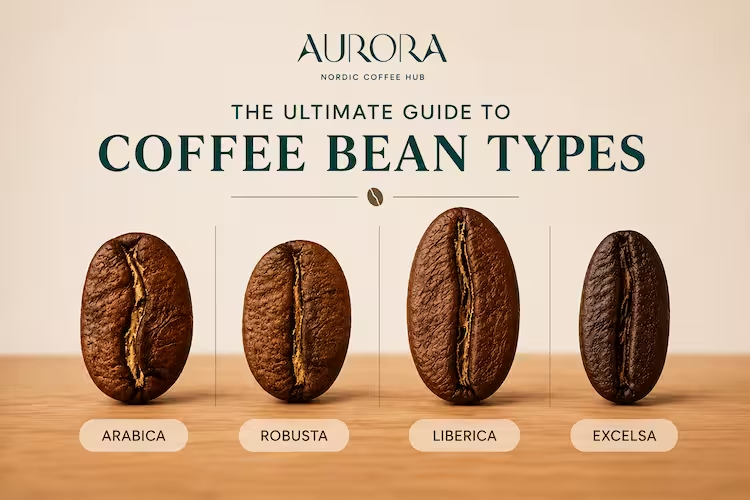
Welcome to our definitive guide to coffee bean types. Learn the key botanical differences between Arabica, Robusta, Liberica, and Excelsa, and discover why specialty coffee is exclusively crafted from high-altitude Arabica beans.
Understanding Coffee Species | مقدمة إلى أنواع البن العالمية
In this guide to coffee bean types, we break down the botanical species that populate the global coffee market. Specifically, while dozens of wild coffee species exist in nature, four primary species dominate global trade. Understanding these species helps you appreciate flavor nuances, natural acidity, and caffeine levels across different roasts. Furthermore, standards set by the Specialty Coffee Association (SCA) reveal how bean genetics impact final cup quality.
في هذا الدليل المخصص لتوضيح أنواع حبوب البن، نستعرض أهم السلالات النباتية التي تشكل عالم القهوة. على الرغم من وجود عشرات الأنواع البرية في الطبيعة، إلا أن هناك أربعة أنواع رئيسية تهيمن على التجارة العالمية. يساعدك فهم هذه السلالات على إدراك فروقات المذاق والحموضة ونسب الكافيين بدقة.
1. Coffea Arabica (Arabica) | بن الأرابيكا
Overview & Market Share: Arabica accounts for roughly 60% to 70% of global coffee production. Originating in the high-altitude forests of Ethiopia, it thrives in cool, elevated climates (900m–2200m).
Main Characteristics: Arabica beans possess high natural lipid and sugar content. Consequently, they offer complex flavor profiles featuring sweet berries, floral jasmine, crisp citrus, and chocolatey undertones. Additionally, Arabica contains lower caffeine content (1.2%–1.5%) compared to other species.
الخصائص الرئيسية للأرابيكا: يشكل بن الأرابيكا نحو 60% إلى 70% من الإنتاج العالمي. تمتلك حبوب الأرابيكا نسبة عالية من السكريات والزيوت الطبيعية، وتتميز بإيحاءات معقدة تتنوع بين الفواكه والزهور والشوكولاتة الفاخرة مع نسبة كافيين معتدلة (1.2% – 1.5%).
Why Specialty Coffee Is ALWAYS Arabica | لماذا تعتمد القهوة المختصة على الأرابيكا دائماً؟
In the world of specialty coffee, high-scoring micro-lots are always 100% Arabica. Because Arabica grows slowly at high altitudes, the beans develop dense, complex aromatic compounds. To achieve a specialty classification (scoring 80+ points on the SCA scale), coffee must display exceptional cup clarity, vibrant acidity, and zero primary defects—qualities unique to Arabica genetics.
At Aurora Coffee Hub, we exclusively source high-altitude 100% Arabica beans. Whether you prefer light Nordic filter roasts or rich espresso, our entire single-origin lineup celebrates Arabica excellence. Explore our carefully curated beans on our specialty coffee menu.
في عالم القهوة المختصة، تكون المحاصيل ذات التقييمات العالية دائماً من سلالة الأرابيكا 100%. لأن الأرابيكا تنمو ببطء في المرتفعات، تطور الحبوب مركبات عطرية معقدة بكثافة عالية تمنح الكوب نقاءً وحموضة حيوية تفوق أي سلالة أخرى.
في أورورا كوفي هب، نعتمد حصرياً على حبوب الأرابيكا الصافية من المرتفعات العالية لتوفير أرقى مذاق سواء عبر محاصيل الفلتر الفاتحة أو الإسبريسو. استكشف مجموعتنا عبر متجر حبوب القهوة المختصة لدينا.
Popular Arabica Origins Compared: Colombian vs. Ethiopian vs. Brazilian | مقارنة بين أشهر مصادر بن الأرابيكا
While Arabica defines specialty coffee excellence, the terroir, growing altitude, and regional climate heavily shape the final flavor in your cup. Below is a direct comparison of the three most celebrated Arabica origins in the specialty coffee world:
| Feature | 🇨🇴 Colombian | 🇪🇹 Ethiopian | 🇧🇷 Brazilian |
|---|---|---|---|
| Flavor Profile | Rich & balanced; caramel sweetness, citrus notes, roasted nuts | Complex & floral; bright fruit acidity, berries, citrus, jasmine | Bold & rounded; deep dark chocolate, caramel, toasted nuts |
| Body (Mouthfeel) | Medium to full, silky | Light to medium, tea-like & delicate | Full, dense, creamy & smooth |
| Ideal Roast | Medium roast | Light to medium-light roast | Medium to medium-dark roast |
| Growing Altitude | Very High (1,200m – 2,100m) | Highest globally (1,500m – 2,200m+) | Low to Medium (800m – 1,350m) |
| Best Brew Methods | Drip, Pour-Over (V60), Balanced Espresso | Manual Filter (V60, Chemex, Aeropress) | Espresso, Moka Pot, Milk-based Drinks |
مقارنة سريعة لعشاق القهوة المختصة: يختلف مذاق وجودة محصول الأرابيكا بشكل جوهري تبعاً للبلد والارتفاع عن سطح البحر:
| وجه المقارنة | البن الكولومبي 🇨🇴 | البن الإثيوبي 🇪🇹 | البن البرازيلي 🇧🇷 |
|---|---|---|---|
| إيحاءات النكهة | غنية ومتوازنة، حلاوة معتدلة، كراميل ومكسرات | معقدة، حموضة فاكهية واضحة (توت، حمضيات)، زهرية | قوية ومستديرة، شوكولاتة كلاسيكية، كراميل ومكسرات |
| قوام الكوب (الجسم) | متوسط إلى كامل وحريري | خفيف إلى متوسط، قوام ناعم يشبه الشاي | ممتلئ، كثيف وناعم |
| درجة التحميص المثالية | تحميص متوسط | تحميص خفيف إلى متوسط | تحميص متوسط إلى داكن |
| مستوى الارتفاع | عالٍ جداً (1200م – 2100م) | الأعلى عالمياً (1500م – 2200م+) | منخفض إلى متوسط (800م – 1350م) |
| أفضل طرق التحضير | فلتر، تقطير V60، إسبريسو كلاسيكي | التقطير اليدوي (V60، كيمكس، كولد برو) | الإسبريسو ومشروبات الحليب (لاتيه، كابتشينو) |
2. Coffea Canephora (Robusta) | بن الروبوستا
Overview & Market Share: Robusta makes up roughly 30% to 40% of global supply, grown mostly in Vietnam, Brazil, and Indonesia at lower altitudes.
Main Characteristics: Robusta trees are hardy and naturally pest-resistant. However, Robusta contains nearly double the caffeine (2.2%–2.7%) and significantly lower sugars. As a result, it yields a heavy body with pronounced bitterness and earthy, woody tones, commonly used in commercial instant coffee and dark espresso blends.
الخصائص الرئيسية للروبوستا: تشكل الروبوستا نحو 30% إلى 40% من الإنتاج العالمي، وتزرع في المناطق المنخفضة. تحتوي الروبوستا على ضعف نسبة الكافيين تقريباً (2.2% – 2.7%) مع مرارة أعلى وقوام ثقيل، وتستخدم غالباً في القهوة سريعة التحضير والخلطات التجارية.
3. Coffea Liberica & Excelsa | بن الليبيريكا والإكسلسا
Coffea Liberica: Liberica accounts for less than 2% of global coffee production. Mainly grown in Malaysia and the Philippines, its large asymmetrical beans deliver bold, woody, smoky, and floral flavors.
Coffea Excelsa: Classified as a member of the Liberica family, Excelsa yields an assertive tart, fruity, and dark profile that adds depth and acidity to niche artisanal blends.
الليبيريكا والإكسلسا: تمثل الليبيريكا أقل من 2% من الإنتاج العالمي بحبوب كبيرة ونكهات خشبية مدخنة مميزة، بينما تقدم الإكسلسا نكهات فاكهية حادة تضيف تعقيداً فريداً لخلطات القهوة المتخصصة.