
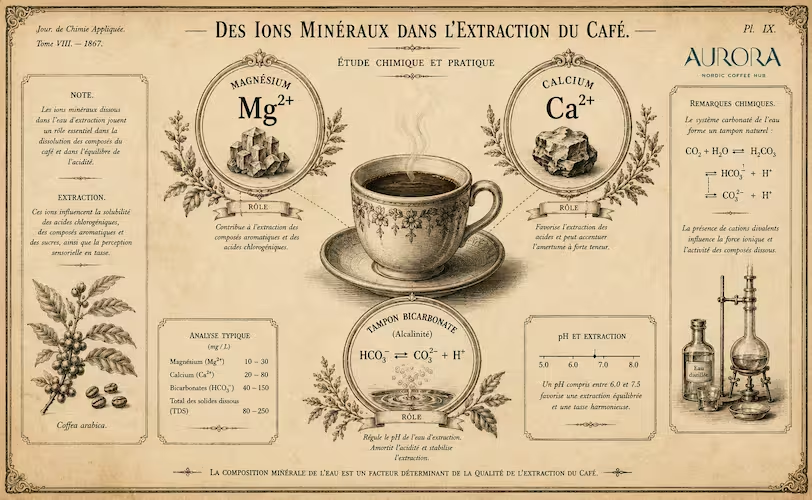
Water Chemistry for Coffee: The Invisible 98% of Your Cup
كيمياء مياه القهوة المختصة: 98% من الكوب الذي لا يراه أحد
When brewing specialty coffee, we obsess over origin elevation, grind size, and water temperature. However, understanding water chemistry for coffee is what truly unlocks flavor clarity. Because brewed filter coffee consists of roughly 98.5% water, the mineral composition of your kettle acts as the ultimate extraction solvent.
عند تحضير القهوة المختصة، نركز غالباً على ارتفاع المزرعة ودرجة الطحن وحرارة الماء. ومع ذلك، يكشف فهم كيمياء مياه القهوة السر الحقيقي وراء نقاء النكهات؛ فالقهوة المقطرة تتكون من 98.5% من الماء، مما يجعل التركيب المعدني لمياهك المذيب الأساسي الذي يسحب النكهات من الحبوب.
1. The Molecular Solvent: Why Pure Water Fails | لماذا يفشل الماء المقطر في الاستخلاص؟
Many brewers assume that distilled ($0\text{ ppm TDS}$) or pure reverse osmosis (RO) water produces the cleanest cup. In reality, pure $H_2O$ lacks the charged mineral ions required to pull aromatic compounds out of the coffee grounds. Specifically, non-polar and weakly polar flavor compounds—such as delicate floral aromatics and fruit esters—require charged metallic ions to bind to them during extraction. Without minerals, coffee extracts hollow, sour, and aggressively flat.
يعتقد البعض أن الماء المقطر الخالي تماماً من الأملاح (Zero TDS) يمنح كوباً أكثر نقاءً، لكن الحقيقة العلمية عكس ذلك تماماً؛ فالماء النقي يفتقر إلى الأيونات المشحونة اللازمة لجذب المركبات العطرية والزيوت من جزيئات البن، مما يؤدي إلى استخلاص باهت وحامض وفاقد للحلاوة الطبيعية.
2. The Mineral Trio: Magnesium, Calcium, and Bicarbonates | الثلاثي المعدني: المغنيسيوم والكالسيوم والبيكربونات
In water chemistry for coffee, three primary mineral components dictate how acidity, sweetness, and mouthfeel develop in the cup:
| Mineral Ion | Primary Chemical Role | Sensory Impact on Brew |
|---|---|---|
| Magnesium ($Mg^{2+}$) | Strongly binds to oxygen-rich aromatic compounds and fruit acids | Amplifies bright fruit sweetness, floral aromatics, and cup clarity |
| Calcium ($Ca^{2+}$) | Binds to lipid structures and heavier flavor compounds | Enhances creamy body, tactile mouthfeel, and chocolate base notes |
| Bicarbonates ($HCO_3^-$) | Acts as an alkaline buffer against rapid pH shifts | Regulates cup acidity; too much flattens acidity, too little makes it sour |
تأثير المعادن الثلاثية في استخلاص القهوة:
• المغنيسيوم: يجذب المركبات العطرية والأحماض الفاكهية الخفيفة ليبرز الحلاوة والنقاء الزهري.
• الكالسيوم: يرتبط بالزيوت والمركبات الأثقل ليعزز القوام المخملي ونكهات الشوكولاتة والكراميل.
• البيكربونات (القلوية): تعمل كمنظم حموضة (Buffer) لمعادلة طفرات الأحماض الحادة ومنع الطعم اللاذع.
3. SCA Water Standards for Specialty Coffee | المعايير المعتمدة من جمعية القهوة المختصة
To establish international consistency in cupping and brewing, the Specialty Coffee Association (SCA) developed rigorous chemical targets for brewing water:
- Total Dissolved Solids (TDS): Target: 150 mg/L (Acceptable range: 75–250 mg/L).
- Total Hardness: Target: 68 mg/L $CaCO_3$ equivalent (Range: 50–175 mg/L).
- Alkalinity (Buffer): Target: 40 mg/L $CaCO_3$ equivalent (Range: 20–75 mg/L).
- pH Level: Target: 7.0 (Acceptable range: 6.5–8.0).
- Sodium & Chlorine: Sodium target: 10 mg/L; Total Chlorine: 0 mg/L (Strictly zero).
معايير مياه التحضير المعتمدة عالمياً (SCA Water Standards):
• إجمالي الأملاح الذائبة (TDS): الهدف 150 جزء في المليون (النطاق المقبول 75–250 ppm).
• عسر الماء الإجمالي (Hardness): حوالي 68 ملغ/لتر لضمان كفاءة المذيب المعدني.
• القلوية المنظمة (Alkalinity): 40 ملغ/لتر لحماية توازن الحموضة الطبيعية.
• الرقم الهيدروجيني (pH): متعادل عند 7.0 (بين 6.5 و 8.0).
• الكلور: صفر مطلق؛ لتجنب تدمير النكهات الزهرية والزيوت الطبيعية.
4. Troubleshooting Brew Water at Home | دليل تشخيص وتصحيح مياه التحضير المنزلي
If your single-origin pour-overs taste off despite using high-end grinders and fresh beans, your water chemistry for coffee is likely out of balance:
Scenario A: Sour, Vinegary, and Sharp: If your brew lacks sweetness and has an aggressive, biting sourness, your water alkalinity is too low ($<20\text{ ppm}$). The water cannot buffer the natural organic fruit acids of the coffee.
Scenario B: Chalky, Flat, and Bitter: If your light roast tastes like generic dark tea with zero fruit clarity, your water is too hard and over-buffered ($>80\text{ ppm}$ alkalinity). High carbonates neutralize all sparkling acidity, turning sweet terroir into chalky bitterness.
To master pouring flow rates alongside optimal water, read our Pour-Over Technique Guide and review our Coffee Roast Levels Guide.
تشخيص مشاكل المياه في المنزل:
• طعم حامض لاذع وفاقد للحلاوة: قلوية الماء منخفضة جداً تعجز عن احتواء الأحماض العضوية للمحصول.
• طعم باهت وطباشيري ومكتوم: قلوية الماء وعسره مرتفعان للغاية؛ مما يؤدي إلى طمس الحموضة الفاكهية وتحويلها إلى مرارة باهتة، كما نفصل في دليل تقنيات الصب المتقدمة.
5. Water Remineralization at Aurora Coffee Hub | هندسة المياه في أورورا كوفي هب
At Aurora Coffee Hub, we treat water as an active ingredient. We purify incoming municipal water through multi-stage reverse osmosis before remineralizing it with a calibrated balance of magnesium and calcium ions. This customized profile ensures our light-roasted Ethiopia Yirgacheffe and Kenya single-origins express their full sparkling terroir.
في أورورا كوفي هب، نعتبر الماء مكوناً رئيساً لا يقل أهمية عن حبة البن نفسها. نقوم بتنقية المياه وإعادة تزويدها بنسب مدروسة بدقة من المغنيسيوم والكالسيوم لضمان استخلاص الإيحاءات الزهرية والفاكهية لأعرق محاصيلنا في ملاذنا النوردي في عمان.
6. Conclusion: Elevate Your Daily Extraction | الخاتمة: ارتقِ بجودة قهوتك اليومية
Mastering water chemistry for coffee transforms good beans into an extraordinary sensory experience. Explore our fresh specialty beans on our specialty coffee beans store, or visit our barista team in Amman to taste the difference that precision water makes in every cup!
إن ضبط كيمياء المياه يحول فنجان القهوة العادي إلى تجربة تذوق حسية متكاملة. ندعوكم لاستكشاف تشكيلتنا المختارة عبر متجر حبوب القهوة المختصة أو زيارة فريقنا في عمان لتذوق النقاء الحقيقي للاستخلاص العلمي المتقن!