Classic Italian Cappuccino Guide: 3 Proven Rules to Master
الدليل الشامل للكابتشينو الإيطالي الكلاسيكي: 3 قواعد ذهبية لإتقان الفنجان
Few beverages in global gastronomy embody sensory harmony quite like a masterfully poured cappuccino[cite: 27]. A harmonious union of concentrated espresso, textured steamed milk, and dense microfoam, it achieves an equilibrium between intense roasted sweetness and silky dairy sweetness[cite: 27]. Yet in commercial coffee chains, this classic has drifted into oversized 450ml paper cups drowned in flavored syrups and airy dish soap foam[cite: 21]. This comprehensive classic Italian cappuccino guide restores the drink to its traditional heritage. At Aurora Coffee Hub, our Scandinavian sanctuary in Jordan pairs Nordic light-to-medium single origins with calibrated steaming science to honor classic Italian espresso culture[cite: 23, 27].
قلّما تجد في ثقافة المشروبات العالمية فنجاناً يجسد التناغم الحسي كما يفعل الكابتشينو الإيطالي المتقن[cite: 27]؛ فهو تمازج هندسي دقيق بين حدة الإسبريسو المركز، وحلاوة الحليب المبخر، وكثافة الرغوة الحريرية، ليمنحك توازناً استثنائياً بين قوة حبوب القهوة ونعومة القوام الكريمي[cite: 27]. غير أن هذا المشروب العريق تعرض لتشويه تجاري حوله إلى أكواب عملاقة مغرقة بشراب السكر والنكهات الاصطناعية والرغوة الهوائية الخشنة[cite: 21]. يعيد هذا الدليل الشامل للكابتشينو الإيطالي الكلاسيكي الاعتبار لأصول المشروب وقواعده الذهبية. وفي أورورا كوفي هب، ينطلق ملاذنا الإسكندنافي في الأردن من دمج دقة التحميص النوردي مع القواعد الإيطالية الأصيلة لتقديم كوب استثنائي لا يُنسى[cite: 23, 27].
1. Classic Italian Cappuccino Guide: Origin Story and the Capuchin Monks
١. جذور التسمية والتاريخ: من أردية رهبان الكبوشيين إلى مقاهي روما
The name “Cappuccino” carries a fascinating linguistic and visual lineage[cite: 25]. It traces directly to the Capuchin friars (Frati Minori Cappuccini), a Catholic Franciscan reform order established in 16th-century Italy[cite: 25]. The connection is twofold[cite: 25]:
- The Brown Robe Hue: Capuchin friars wore distinct, un-dyed hooded robes of a rich reddish-brown tone[cite: 25]. When dark espresso blends seamlessly with white steamed dairy, the resulting warm, hazelnut-brown liquid perfectly mimics the color of the Capuchin robe[cite: 25].
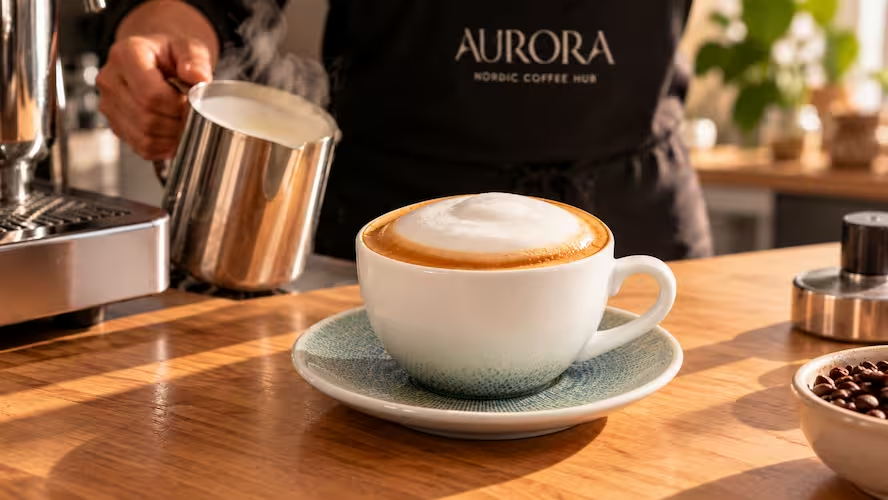
- The Shaved Tonsure & Hood: The white dome of dense milk foam rising in the cup’s center, surrounded by a dark ring of espresso crema, visually mirrors the rounded hoods (cappuccio) and the shaved tonsure hairstyle worn by the monks[cite: 25].
Historically, the beverage evolved in stages documented in coffee archives and by institutions like the Specialty Coffee Association (SCA)[cite: 23]:
- 17th Century (Austria): The beverage’s ancestor emerged in Viennese coffee houses under the name Kapuziner—brewed coffee blended with whipped cream, spices, and sugar[cite: 23].
- 20th Century (Italy): The modern cappuccino was born in northern Italy with the invention of the pressurized espresso machine, which enabled baristas to produce high-pressure steam for velvety foam[cite: 23].
- Post-WWII Expansion: Commercial boiler machines spread into every Italian piazza, solidifying the drink as a morning breakfast staple[cite: 21, 23].
- 1970s to the Specialty Era: Cappuccino expanded globally, evolving into the canvas for microfoam texture and latte art celebrated in modern specialty cafes[cite: 23].
يحمل اسم «كابتشينو» وراءه إرثاً لغوياً وبصرياً فريداً يرتبط بـ رهبان الكبوشيين (Capuchin Friars)، وهي طائفة رهبانية تأسست في إيطاليا خلال القرن السادس عشر[cite: 25]. ويرتكز هذا الارتباط على مظهرين أساسيين[cite: 25]:
- لون الأردية البني المحمر: كان رهبان الكبوشيين يرتدون أثواباً صوفية ذات غطاء رأس بلون بني مميز مائل للحمرة؛ وهو نفس الدرجة اللونية الدافئة التي تظهر عندما يمتزج الإسبريسو الداكن مع الحليب المبخر[cite: 25].
- قبة الرغوة وغطاء الرأس: تشبه قبة الرغوة البيضاء الناصعة التي تعلو منتصف الفنجان محاطة بحلقة بنية من الكريما، شكل غطاء الرأس المدبب للرهبان وقصّة شعرهم الدائرية التقليدية[cite: 25].
وقد مر المشروب بمحطات تاريخية مفصلية حتى وصل إلى شكله المعاصر[cite: 23]:
- القرن السابع عشر (النمسا): ظهرت النسخة الأولى في مقاهي فيينا تحت اسم «كابوزينر» (Kapuziner)، وكانت عبارة عن قهوة سوداء مضاف إليها الكريمة والسكر والتوابل[cite: 23].
- مطلع القرن العشرين (إيطاليا): وُلد الكابتشينو الحديث مع اختراع آلة الإسبريسو التجارية، التي أتاحت تدفق بخار الماء بضغط عالٍ لتوليد رغوة حليب كثيفة ومتماسكة[cite: 23].
- ما بعد الحرب العالمية الثانية: انتشرت آلات الإسبريسو في كافة المدن الإيطالية، ليتحول الكابتشينو إلى طقس صباحي مقدس في حياة الإيطاليين اليومية[cite: 21, 23].
- السبعينيات وموجة القهوة المختصة: اكتسب المشروب شهرة عالمية كاسحة في أوروبا وأمريكا، وصولاً إلى عصر القهوة المختصة الذي ضبط جزيئات الحليب والمحاصيل الفاخرة[cite: 23].
2. Classic Italian Cappuccino Guide: The Rule of Thirds (1:1:1 Ratio)
٢. البنية التشريحية للكوب: قاعدة الأثلاث الذهبية (1:1:1)
Authentic Italian cappuccino is defined by a strict volumetric ratio and a small, tactile cup capacity[cite: 20, 26]. Unlike a modern caffe latte, which is predominantly liquid dairy, every traditional preparation in this classic Italian cappuccino guide follows the precise Rule of Thirds[cite: 26]:
| Layer Component | Volumetric Ratio | Sensory Function in the Cup |
|---|---|---|
| 1. Fresh Espresso[cite: 26] | One-Third (~25–30 ml)[cite: 26] | The aromatic foundation; concentrated coffee oils, bright malic/citric acidity, and chocolate notes[cite: 27]. |
| 2. Steamed Liquid Milk[cite: 26] | One-Third (~50–60 ml)[cite: 26] | Sweetened, silky dairy that blends into the espresso to round off bitterness and build body[cite: 27]. |
| 3. Microfoam Cap[cite: 26] | One-Third (~50–60 ml volume)[cite: 26] | Dense, cushiony micro-bubbles that insulate temperature and deliver a velvety, luxurious mouthfeel[cite: 20, 27]. |
The total serving volume is strictly confined to 150 ml to 180 ml served in a pre-warmed, thick-walled ceramic porcelain cup[cite: 20, 26]. While commercial venues frequently dust cocoa powder or cinnamon over the foam, purists and specialty baristas avoid toppings to preserve the uncompromised terroir and sweetness of the coffee itself[cite: 21, 26].
يرتكز الكابتشينو الإيطالي الأصيل على نسب حجمية صارمة وسعة فنجان صغيرة محددة[cite: 20, 26]؛ فعلى عكس اللاتيه الذي يطغى عليه الحليب السائل، يخضع الكابتشينو لقاعدة الأثلاث المتساوية (1:1:1)[cite: 26]:
| مكون الطبقة | النسبة الحجمية | الوظيفة الحسية في الفنجان |
|---|---|---|
| ١. سينجل أو دبل إسبريسو[cite: 26] | الثلث الأول (نحو 25-30 مل)[cite: 26] | القاعدة العطرية؛ تمنح المشروب قوة القهوة، وكثافة الزيوت، وحموضة المنشأ المتوازنة[cite: 27]. |
| ٢. حليب مبخر ساخن[cite: 26] | الثلث الثاني (نحو 50-60 مل)[cite: 26] | سائل الحليب المنسجم مع القهوة لتهدئة الحدة وإبراز حلاوة السكريات الطبيعية[cite: 27]. |
| ٣. رغوة حليب كثيفة (Microfoam)[cite: 26] | الثلث الثالث (نحو 50-60 مل)[cite: 26] | طبقة هوائية ميكروسكوبية ناعمة تعزل حرارة الفنجان وتمنح شفتيك ملمساً مخملياً ناعماً[cite: 20, 27]. |
تتراوح السعة النموذجية لفنجان الكابتشينو الكلاسيكي بين 150 و 180 مل فقط، ويُقدم في كوب خزفي سميك ومسخن مسبقاً[cite: 20, 26]. ورغم أن بعض المقاهي ترش بودرة الكاكاو أو القرفة على الرغوة، إلا أن خبراء الباريستا يفضلون تقديمه نقياً دون إضافات لصون المذاق الأصيل[cite: 21, 26].
3. Classic Italian Cappuccino Guide: Milk Physics and the 65°C Sweet Spot
٣. فيزياء الحليب: درجة الحرارة الذهبية 65° مئوية وهندسة الرغوة المخملية
The difference between a flat, watery drink and a sublime cup comes down to dairy thermodynamics documented by research groups such as the Coffee Science Foundation. Professional milk steaming relies on two biochemical phases governed by the steam wand[cite: 20]:
- Airing & Stretching (Sub-40°C): The steam tip introduces controlled air into cold milk. Whey proteins (specifically beta-lactoglobulin) unfold and migrate to the interface between air and liquid, forming a protective membrane around tiny air pockets.
- Texturing & Rolling (40°C–65°C): The pitcher is tilted to create a high-velocity vortex that pulverizes large bubbles into silky microfoam with a wet-paint sheen[cite: 20].
- The 65°C Thermal Peak: Steaming milk to approximately 65°C (149°F) breaks down complex lactose carbohydrates into simpler, sweeter monosaccharides without curdling[cite: 20]. If temperature exceeds 70°C, proteins denature irreversibly, destroying sweetness and producing a burnt, sulfurous dairy odor.
يرتكز سر الفنجان المخملي الناجح على ديناميكية البروتين وحرارة التبخير[cite: 20]؛ حيث تعتمد هندسة الحليب داخل إبريق التبخير (Pitcher) على مرحلتين أساسيتين[cite: 20]:
- مرحلة إدخال الهواء (تمديد الحليب دون 40°م): توضع فوهة التبخير تحت سطح الحليب البارد مباشرة لضخ الهواء؛ فتتفكك بروتينات مصل اللبن وتلتف حول فقاعات الهواء لتشكل جداراً رغوياً مرناً.
- مرحلة الدوامة وتنعيم الفقاعات (من 40° إلى 65°م): يُغمر رأس العصا قليلاً وتُصنع دوامة سريعة تطحن الفقاعات الكبيرة وتحولها إلى رغوة دقيقة لامعة تشبه قوام الطلاء الرطب[cite: 20].
- الذروة الحرارية عند 65° مئوية: تبخير الحليب حتى 65° مئوية يحفز تكسر سكر اللاكتوز إلى سكريات أبسط تمنح الحليب أعلى درجات الحلاوة الطبيعية دون الحاجة لأي محليات[cite: 20]. أما إذا تجاوزت الحرارة 70° مئوية، فيحترق البروتين ويفقد الحليب حلاوته وقوامه المخملي[cite: 20].
4. Technical Comparison: Cappuccino vs. Latte vs. Flat White
٤. المقارنة المعيارية: الكابتشينو مقابل اللاتيه والفلات وايت
To help you choose your ideal daily cup, review this technical profile breakdown[cite: 22]:
| Drink Dimension | Classic Italian Cappuccino[cite: 20, 26, 27] | Caffe Latte[cite: 21, 22] | Flat White |
|---|---|---|---|
| Serving Cup Size | 150 – 180 ml (Small ceramic cup)[cite: 20, 26] | 240 – 350 ml (Large glass or mug)[cite: 21] | 160 – 180 ml (Ceramic tulip cup) |
| Espresso-to-Milk Ratio | 1:2 total ratio (1:1:1 espresso, milk, foam)[cite: 26] | 1:4 to 1:6 (Dominant dairy sweetness) | 1:2 to 1:3 (Double ristretto/espresso) |
| Foam Thickness & Texture | 1 to 1.5 cm thick, airy microfoam dome[cite: 20, 25, 27] | 0.5 cm thin, smooth microfoam layer | Ultra-thin microfoam integrated into crema |
| Flavor Balance Profile | Bold espresso punch balanced by creamy softness[cite: 27] | Mellow, milky, gentle coffee undertone | Strong espresso flavor with velvety milk texture |
توضح المقارنة المعيارية التالية الفروق الدقيقة التي تميز الكابتشينو عن رفاقه[cite: 22]:
| المعيار الحسي | الكابتشينو الإيطالي الكلاسيكي[cite: 20, 26, 27] | كافيه لاتيه (Latte)[cite: 21, 22] | فلات وايت (Flat White) |
|---|---|---|---|
| سعة الفنجان | 150 إلى 180 مل (فنجان خزفي صغير)[cite: 20, 26] | 240 إلى 350 مل (كوب زجاجي أو خزفي واسع)[cite: 21] | 160 إلى 180 مل (فنجان سيراميك متوسط) |
| نسبة القهوة إلى الحليب | قاعدة الأثلاث (1:1:1) قهوة، حليب، رغوة[cite: 26] | 1:4 إلى 1:6 (حليب سائل مهيمن) | 1:2 إلى 1:3 (دبل شوت مدمج بكثافة) |
| سماكة الرغوة العلوية | قبة رغوية كثيفة ومخملية (1 إلى 1.5 سم)[cite: 20, 25, 27] | طبقة رغوية رفيعة جداً (نصف سم) | رغوة دقيقة جداً ومندمجة بالكامل مع الكريما |
| طبيعة المذاق النهائي | نكهة إسبريسو واضحة ومتناغمة مع القوام الكريمي[cite: 27] | مذاق حليبي ناعم مع ظهور خفيف للقهوة | طعم قهوة قوي ومركز دون طبقة رغوة سميكة |
5. Italian Etiquette and the Morning Rule
٥. الإتيكيت الإيطالي الصارم: لماذا لا يُطلب الكابتشينو بعد الحادية عشرة صباحاً؟
If you visit an authentic cafe in Florence or Rome, you will quickly encounter one of Italy’s most enduring culinary traditions highlighted in this classic Italian cappuccino guide: cappuccino is consumed exclusively in the morning, almost never after lunch or dinner[cite: 21].
This rule is grounded in Italian gastro-culture and digestive health. Warm whole milk is considered a substantial, heavy food rich in fats and lactose. Italians believe drinking hot milk after a rich meal disrupts digestion and slows metabolism. Therefore, after 11:00 AM or following a meal, locals transition strictly to espresso (caffè liscio) or macchiato, saving milk-heavy drinks for morning pastries[cite: 21]. While global coffee culture embraces milk drinks all day, respecting this tradition connects you with centuries of Italian mindful drinking[cite: 21].
عند زيارة أي مقهى إيطالي تقليدي في روما أو ميلانو، ستلاحظ قاعدة متوارثة لا يتنازل عنها الإيطاليون: يُشرب الكابتشينو في الصباح فقط، ونادراً ما يُطلب بعد وجبة الغداء أو المساء[cite: 21].
ترتبط هذه العادة بفلسفة الهضم في الثقافة الإيطالية؛ حيث يُعتبر الحليب الساخن والمبخر وجبة دسمة بحد ذاتها لاحتوائه على الدهون واللاكتوز، وشربه بعد وجبة الغداء يُثقل المعدة ويعيق الهضم السليم. لذا يقتصر الإيطاليون في ساعات الظهيرة والمساء على ارتشاف شوت الإسبريسو المركز الخالص (Espresso) أو الماكياتو، مخصصين الكابتشينو لساعات الصباح مع المخبوزات الطازجة[cite: 21].
6. The Artisan Touch: Human Barista vs. Machine Automation
٦. براعة اللمسة الإنسانية: يد الباريستا المحترف في مواجهة الآلات الذاتية
In an era where automated push-button dispensers and robotic arms attempt to prepare espresso beverages, the human touch retains an irreplaceable charm and authenticity[cite: 28]. A master barista brings tactile sensitivity that no robotic algorithm can replicate[cite: 28]:
- Acoustic and Tactile Feedback: A skilled barista listens to the gentle hiss of the steam wand, feeling temperature changes through the pitcher wall to adjust angle and depth in real time[cite: 20, 28].
- Integration Dynamics: Pouring the foam requires varying wrist speed and height to integrate milk beneath the crema before laying down the glossy foam cushion on top[cite: 20, 28].
- Bean Dialogue: A professional constantly dials in grind size to match daily humidity swings, ensuring the espresso base never tastes astringent or hollow[cite: 28].
في عصر انتشرت فيه مكائن القهوة الآلية والأذرع الروبوتية، تظل اللمسة الإنسانية للباريستا المحترف هي الروح الحقيقية والضمانة لجودة الفنجان[cite: 28]؛ فالتحضير اليدوي يمنح المشروب طابعاً أصيلاً لا يمكن للبرمجيات محاكاته[cite: 28]:
- الاستشعار الحركي والسمعي: يضبط الباريستا صوت هسهسة البخار، ويتحسس حرارة الإبريق بكف يده لتعديل زاوية الدوامة في أجزاء من الثانية[cite: 20, 28].
- ديناميكية الصب والدمج: يتطلب صب الرغوة مهارة يدوية لدمج الحليب السائل أولاً تحت طبقة الكريما، ثم إسدال قبة الرغوة المخملية برفق فوق الفنجان[cite: 20, 28].
- معايرة المحصول اليومية: يضبط الباريستا طحنة الإسبريسو تِبعاً لتغيرات رطوبة الجو والطقس لضمان استخلاص متزن وخالٍ من المرارة الحارقة[cite: 28].
7. Frequently Asked Questions: Classic Italian Cappuccino Guide
٧. أسئلة شائعة حول فن الكابتشينو الإيطالي الكلاسيكي
What is the ideal milk steaming temperature for a cappuccino?
The optimal temperature is approximately 65°C (149°F)[cite: 20]. This unlocks maximum natural lactose sweetness while preserving silky, stable microfoam[cite: 20].
Why is a traditional cappuccino served in a small 150–180 ml cup?
Serving in a 150–180 ml cup maintains the golden 1:1:1 ratio[cite: 20, 26]. Larger cups dilute the espresso, turning the beverage into a milk-heavy latte[cite: 21, 27].
Should a cappuccino be topped with cinnamon or cocoa powder?
Traditional Italian and specialty standards avoid dusting cinnamon or chocolate powder to preserve the authentic terroir and clean sweetness of the espresso and milk[cite: 21, 26].
ما هي درجة الحرارة المثالية لتبخير حليب الكابتشينو؟
درجة الحرارة المثالية هي نحو 65° مئوية؛ حيث تبرز أعلى حلاوة طبيعية في الحليب دون حرق بروتيناته أو الإخلال بكثافة الرغوة[cite: 20].
لماذا يُقدم الكابتشينو في فنجان صغير بسعة 150 إلى 180 مل؟
لصون قاعدة الأثلاث الذهبية (1:1:1)؛ فالأكواب التجارية الكبيرة تخفف تركيز القهوة وتحول المشروب إلى حليب سائل باهت[cite: 20, 21, 26, 27].
هل يُفضل رش الكاكاو أو القرفة على سطح الرغوة؟
في المعايير الكلاسيكية والقهوة المختصة، يُفضل تقديم الكوب دون أي إضافات لتذوق نقاء حبوب الإسبريسو وحلاوة الحليب الطبيعية[cite: 21, 26].
8. Savor Handcrafted Excellence in This Classic Italian Cappuccino Guide
٨. تذوق أصالة الكابتشينو الحرفي في أورورا كوفي هب
Mastering this classic Italian cappuccino guide demonstrates that great coffee is never an accident—it is an intentional union of origin chemistry, thermal discipline, and barista passion[cite: 20, 28]. By pairing light-to-medium roasted single-origin espresso with velvet microfoam steamed precisely to 65°C, every cup offers pure tactile luxury[cite: 20, 27]. Visit Aurora Coffee Hub near 7th Circle to enjoy our handcrafted espresso drinks from our specialty coffee drinks menu, bring home fresh whole beans from our curated beans collection, or explore thermal extraction science in our Coffee Brewing Temperature Guide!
يؤكد هذا الدليل الشامل للكابتشينو الإيطالي الكلاسيكي أن الكوب الاستثنائي ثمرة التناغم بين كيمياء المحصول، والانضباط الحراري، والشغف الحرفي للباريستا[cite: 20, 28]. فمن خلال دمج الإسبريسو المحمص بعناية مع رغوة مخملية مبخرة عند 65° مئوية، نقدم لك تجربة تذوق مفعمة بالدفء والتوازن[cite: 20, 27]. ندعوكم لزيارتنا في أورورا كوفي هب قرب الدوار السابع للاستمتاع بمشروبات الإسبريسو عبر قائمة مشروبات القهوة المختصة، أو تسوق حبوبكم من متجر حبوب البن المختص، وتعرف على أسرار الحرارة في دليل حرارة استخلاص القهوة!