
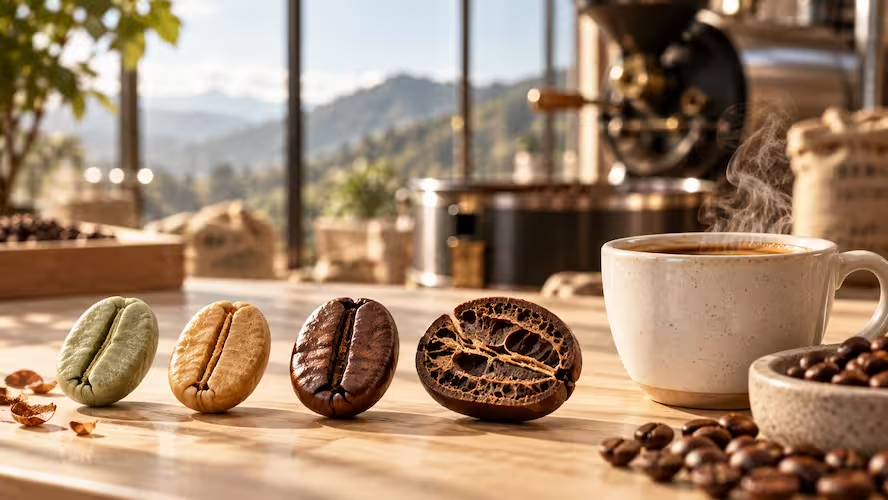
What Does Coffee Roasting Change? Beyond Surface Color to Internal Physics
ماذا يغير التحميص فعلاً؟ رحلة أعمق من تغير اللون السطحي إلى فيزياء الحبة الداخلية
Discovering what does coffee roasting change completely reshapes how you perceive the liquid in your morning cup. To the casual observer, roasting looks like a simple visual shift from jade green to golden cinnamon, finishing in deep chestnut brown. However, what we see on the bean’s surface is only a tiny fraction of the thermodynamic story. Roasting is an intricate physical and chemical metamorphosis driven by precise thermal energy transfer, altering cellular porosity, internal pressure, and aromatic precursor networks. At Aurora Coffee Hub, our urban sanctuary in Amman approaches roasting through Nordic discipline, carefully modulating heat to unlock origin terroir without burning away delicate fruit acids.
يُمثل التعمق في سؤال ماذا يغير التحميص فعلاً تحولاً جذرياً في نظرة متذوق القهوة لما يحتويه فنجانه اليومي؛ فبالنسبة للمشاهد العادي، يبدو التحميص مجرد تحول بصري تقليدي يغير لون حبة البن من الأخضر الزمردي إلى الأصفر الذهبي ثم البني الداكن. غير أن ما نراه على السطح الخارجي ليس سوى جزء بسيط من القصة. التحميص في جوهره هو سلسلة معقدة من التحولات الفيزيائية والكيميائية العميقة التي تبدأ بانتقال الطاقة الحرارية، لتعيد هندسة مسامية الأنسجة وتولد شبكة معقدة من المركبات العطرية. في أورورا كوفي هب، يتبنى ملاذنا النوردي في عمان فلسفة تحميص دقيقة تحترم الخصائص البنائية للحبة وتبرز هويتها الجغرافية الأصيلة دون طمسها بالحرارة المفرطة.
1. It All Starts with Energy Transfer: Convection, Conduction, and Radiation | كل شيء يبدأ بانتقال الطاقة: الحمل، التوصيل، والإشعاع الحراري
For structural transformations to occur inside the coffee bean, thermal energy must transfer from the machine into the dense seed tissue. As documented in thermodynamic roasting manuals published by the Specialty Coffee Association (SCA), heat penetrates the bean through three simultaneous mechanisms:
- Convection (Hot Air Flow): The primary driver in modern specialty roasting. Moving currents of heated air circulate around the tumbling beans, transferring thermal energy evenly across the bean surface without scorching.
- Conduction (Direct Surface Contact): Energy transferred directly when the bean touches the rotating metal drum or neighbor beans. High conduction accelerates surface coloring but risks surface facing defects if unmanaged.
- Radiation (Infrared Energy): Electromagnetic waves radiating from glowing burner elements and drum walls that penetrate inward toward the core of the seed.
لكي تبدأ هذه التحولات المذهلة، يجب أولاً أن تنتقل الطاقة الحرارية من بيئة المحمصة إلى عمق النسيج الخلوي لحبة البن. ووفقاً للأبحاث المعتمدة في جمعية القهوة المختصة (SCA)، تصل الحرارة إلى الحبة عبر ثلاثة مسارات ديناميكية متكاملة:
- الحمل الحراري (Convection): وهو المحرك الأساسي في التحميص الحديث؛ حيث تتدفق تيارات الهواء الساخن لتغلف الحبوب الدوارة وتنقل الطاقة بتجانس عالٍ دون حرق القشرة.
- التوصيل المباشر (Conduction): انتقال الطاقة عبر التلامس الميكانيكي المباشر بين الحبة وجدار أسطوانة التحميص المعدنية أو الحبوب المجاورة.
- الإشعاع (Radiation): موجات الطاقة الكهرومغناطيسية الصادرة من شعلات التسخين وجدران المحمصة والتي تخترق الحبة باتجاه مركزها.
2. What Does Coffee Roasting Change Inside the Cellular Matrix? | ما الذي يغيره التحميص في البنية الخلوية وتكوين الفراغات الداخلية؟
Understanding what does coffee roasting change requires looking past the surface cuticle into the internal anatomy of the bean. Raw green coffee is a rock-hard, crystalline structure bound by dense cellulose walls with roughly 10% to 12% moisture. As heat climbs toward 160°C–200°C, moisture converts to superheated steam, creating massive internal gas pressure reaching up to 25 atmospheres.
This pressure forces the bean to undergo radical structural modifications:
- Internal Fracturing and Cracks: Wood-like cellular walls stretch, thin out, and rupture, developing micro-cracks and void cavities from the core outward.
- Expansion and Volume Increase: Trapped steam and expanding carbon dioxide trigger the physical “First Crack,” causing the bean to swell by 50% to 80% in physical volume while losing 12% to 18% of its total mass.
- The Sponge Matrix (Porosity): The formerly impervious seed transforms into an airy, porous cellular sponge. This porosity is vital because without it, hot water during manual brewing could never penetrate the grounds to dissolve solubles.
يتطلب إدراك ماذا يغير التحميص فعلاً النظر إلى ما وراء الغلاف الخارجي لفحص التركيب المجهري للبذرة. فالقهوة الخضراء قبل التحميص تكون عبارة عن كتلة صلبة شديدة التماسك تحبس بداخلها رطوبة بنسبة 10% إلى 12%. ومع ارتفاع درجات الحرارة داخل المحمصة، يتحول الماء المحبوس إلى بخار مضغوط يولد ضغطاً داخلياً هائلاً يصل إلى 25 ضغطاً جوياً.
يفرض هذا الانفجار الغازي تحولات بنائية غير قابلة للعكس داخل الحبة:
- التشقق وتكوين الفراغات: تتمدد الجدران الخلوية السليولوزية وترق سماكتها، لتتشكل فراغات وتصدعات داخلية ميكروسكوبية تتفرع من المركز نحو السطح.
- التمدد الحجمي (الفرقعة الأولى): يدفع الغاز المحبوس الحبة نحو التمدد لتتضخم بنسبة 50% إلى 80% من حجمها الأصلي، بينما تفقد ما بين 12% إلى 18% من وزنها الكلي بفعل تبخر الرطوبة.
- البنية الإسفنجية المسامية: تتحول البذرة المصمتة إلى هيكل إسفنجي مسامي خفيف؛ وهذه المسامية هي المعجزة التي تسمح للماء الساخن أثناء التحضير باختراق الحبيبات واستخلاص النكهات الذائبة.
3. The Chemical Metamorphosis: Maillard Reactions and Caramelization | التحول الكيميائي المتزامن: تفاعلات مايلارد وتكرمل السكريات
Simultaneously, heat drives a dense network of chemical reactions that synthesize flavor and aroma compounds from raw organic precursors. While an unroasted green bean contains roughly 250 volatile compounds, roasting multiplies this matrix into more than 800 distinct aromatic molecules:
| Roast Phase | Temperature Range | Internal Chemical Dynamics | Sensory Development in the Cup |
|---|---|---|---|
| Drying Phase | Ambient to ~160°C | Endothermic moisture loss; chlorophyll degrades, shifting green hue to pale yellow. | Grassy, vegetal, hay-like aromas; no desirable coffee solubles yet. |
| Maillard Reaction | ~160°C to ~195°C | Amino acids react with reducing sugars, generating melanoidins and aromatic rings. | Savory base sweetness, toasted bread, roasted malt, and foundational cup body. |
| Sugar Caramelization & Development | ~195°C to Drop Temp | Thermal breakdown of sucrose into furans, maltols, and delicate fruit esters. | Caramel, cane sugar, toffee notes, and balanced fruit acids. |
في الوقت نفسه الذي تتغير فيه البنية الفيزيائية، تدفع الحرارة شبكة متشابكة من التفاعلات الكيميائية داخل القهوة لتخليق النكهة والرائحة من الصفر. فبينما تحتوي الحبة الخضراء على قرابة 250 مركباً طياراً فقط، يرفع التحميص هذا الرقم إلى أكثر من 800 مركب عطري متميز ومسؤول عن المذاق الفريد:
| مرحلة التحميص | نطاق درجات الحرارة | التحولات الكيميائية الداخلية | الأثر الحسي في الفنجان |
|---|---|---|---|
| مرحلة التجفيف (Drying) | من البداية حتى ~160 مئوية | فقدان الرطوبة وتفكك صبغة الكلوروفيل ليتحول اللون من الأخضر إلى الأصفر. | روائح عشبية وقش جاف، دون وجود مركبات نكهة مستساغة بعد. |
| تفاعل مايلارد (Maillard) | من ~160 إلى ~195 مئوية | اندماج الأحماض الأمينية مع السكريات لإنتاج الميلانويدين والمركبات العطرية. | تكوين القوام الحريري، وظهور روائح الخبز المحمص والشعير. |
| تكرمل السكر والتطوير (Caramelization) | من ~195 مئوية حتى التفريغ | تفكك سكر السكروز حرارياً لإنتاج الفيورانات وإسترات الفواكه المعقدة. | بروز نوتات الكراميل والفاكهة الناضجة وتوازن الحموضة الراقية. |
4. Non-Uniformity: Why the Inside of the Bean Tells a Different Story | عدم التجانس الداخلي: لماذا يختلف قلب الحبة عن سطحها الخارجي؟
A crucial insight in specialty roasting is that these structural and chemical changes are never perfectly uniform throughout the whole bean. Coffee beans possess relatively low thermal conductivity. If a roaster applies excessive conductive heat too aggressively, the bean’s outer surface browns rapidly while the dense inner core lags behind. This temperature differential creates an “under-developed” core that tastes grassy, vegetal, and astringent, even if the exterior appears perfectly brown.
To avoid this defect, specialty craft relies on Rate of Rise (RoR) monitoring and high-convection airflow. Ensuring uniform thermal penetration guarantees that internal cell voids and sugar caramelization develop evenly from the deepest center to the surface perimeter.
تكمن إحدى أهم الحقائق العلمية في أن هذه التغيرات الفيزيائية والكيميائية لا تحدث بالطريقة نفسها وبشكل متطابق في جميع أجزاء الحبة. تتميز أنسجة البن بمقاومة حرارية وتوصيل حراري بطيء؛ فإذا اندفع المحمص برفع الحرارة الخارجية بسرعة مفرطة، سينضج السطح الخارجي ويصبح بنياً بسرعة بينما يظل قلب الحبة الداخلي نيئاً وبارداً. ينتج عن هذا التباين عيب يسمى “نقص التطوير الداخلي”، ليمنحك فنجاناً بطعم الخضار النيئة والحدة القابضة رغم جاذبية اللون الخارجي.
ولتحقيق نضج متجانس بالكامل، يراقب المحمص المحترف مؤشر سرعة صعود الحرارة (Rate of Rise – RoR) ويعتمد على تدفق هواء الحمل الساخن؛ لضمان وصول الطاقة إلى أعمق نقطة في الحبة بالتزامن مع تكرمل السطح الخارجي.
5. Managing Roast Profiles: How Roasters Alter Sensory Attributes | إدارة التحميص: كيف يتحكم المحمص في النكهات التي نلاحظها في الفنجان؟
How the roast is managed can fundamentally influence the sensory attributes we notice in the coffee. However, what we perceive in the final cup does not depend on roasting alone; it represents a collaboration between agricultural terroir, processing methods, and thermal execution. By steering the development time ratio (DTR), roasters highlight specific spectrums of cup chemistry:
- Light Nordic Roasts (Preserving Terroir): Shorter development times maintain organic citric and malic fruit acids, highlighted in our guide on Coffee Acidity vs. Sourness, delivering vibrant floral clarity.
- Medium Balanced Profiles (Sweetness & Body): Extending the Maillard phase builds tactile body and rich caramelized sugars, ideal for espresso extractions like our Café de Dos Tierras.
- Dark Commercial Roasts (Roast Dominance): Extended heat incinerates natural sugars and fruit acids, replacing terroir with bitter pyrolytic ash, carbon, and heavy oils.
إن طريقة إدارة التحميص تؤثر تأثيراً مباشراً في الصفات الحسية التي نلاحظها في القهوة؛ لكن ما نلاحظه في الفنجان لا يعتمد على التحميص وحده، بل هو نتاج تكامل وثيق بين سلالة البن، ظروف الزراعة، وأسلوب المعالجة. وعبر التحكم الدقيق في نسبة وقت التطوير (Development Time Ratio – DTR)، يستطيع المحمص توجيه النكهات نحو مسارات محددة:
- التحميص النوردي الفاتح (حماية المنشأ): وقت تطوير مدروس يحافظ على أحماض الستريك والماليك الطبيعية كما نوضح في دليلنا حول حموضة القهوة مقابل الطعم الحامض، ليبرز الإشراق الزهري الفاكهي.
- التحميص المتوسط المتزن (حلاوة وقوام): إطالة مرحلة مايلارد لتعزيز القوام الحريري وتكثيف السكريات المكرملة، وهو ما نطبقه في حبوب الإسبريسو المتوازنة مثل كافيه دي دوس تييراس.
- التحميص التجاري الداكن (طمس النكهة): تعريض الحبوب لحرارة مفرطة تحرق السكريات والأحماض بالكامل، مستبدلة نكهات المنشأ بمرارة الكربون والرماد الثقيل.
6. How Roasting Porosity Dictates Your Home Brew | كيف تؤثر مسامية التحميص على تحضيرك المنزلي؟
Recognizing what does coffee roasting change directly influences how you grind and brew at home. Because roasting creates micro-cavities and structural voids, darker or more developed beans are significantly more porous and brittle than dense light roasts:
- Light-Roast Extraction: Dense, tightly packed cells require hotter brewing water (93°C–96°C) and slightly finer grinding to encourage water penetration into rigid pores.
- Porosity and Drawdown Speed: As explored in our deep-dive on Ultimate V60 Pour-Over Guide, brittle dark roasts produce more fine dust particles, whereas light roasts require deliberate agitation to dissolve sweetness.
- Post-Roast Degassing: The extensive void cavities store trapped carbon dioxide, necessitating proper resting times as explained in our guide on How to Store Specialty Coffee Beans.
إن فهم ماذا يغير التحميص فعلاً ينعكس بصورة فورية على كيفية معايرة الطحن والتحضير في منزلك؛ فلأن التحميص ينشئ شبكة مسامية وفراغات داخلية متباينة، تكون الحبوب الأكثر تحميصاً أكثر هشاشة ومسامية مقارنة بالحبوب الفاتحة الصلبة:
- استخلاص الحمصات الفاتحة: تتطلب خلاياها الصلبة ماءً أكثر سخونة (93 إلى 96 مئوية) وطحنة أدق قليلاً للسماح للماء بالنفاذ إلى مساماتها الضيقة.
- المسامية وسرعة التدفق: كما وضحنا في مقالنا حول دليل تحضير فلاتر V60 الشامل، تتفتت الحبوب الهشة إلى غبار دقيق يسد الفلتر إن لم تضبط الطاحونة بعناية.
- انحباس غازات الراحة: تحتجز هذه الفراغات كميات ضخمة من غاز CO₂، مما يستلزم فترات راحة محسوبة كما فصلنا في دليل حفظ وتخزين حبوب القهوة.
7. Frequently Asked Questions: What Does Coffee Roasting Change? | أسئلة شائعة حول تغيرات حبة البن أثناء التحميص
Does roasting remove caffeine from coffee beans?
No. Caffeine is an extremely heat-stable alkaloid that survives roasting virtually intact. Any difference in perceived caffeine content between roasts comes down to bean density and whether you measure your coffee dose by volume or weight.
Why do some beans have oil on their surface while others look matte?
Surface oil is a physical consequence of roast depth. Darker roasts break down internal cell walls completely, allowing internal lipids to migrate outward to the surface. Fresh light and medium roasts keep oils locked within the cellular matrix, resulting in a dry, matte appearance.
هل يتسبب التحميص في تقليل نسبة الكافيين داخل الحبة؟
لا؛ فالكافيين مركب كيميائي شديد الثبات الحراري ولا يتأثر بحرارة التحميص المعتادة. وأي اختلاف محسوس يعود إلى التغير في كثافة ووزن الحبة وطريقة قياسك للجرعة بالوزن أو الحجم.
لماذا تظهر الزيوت على سطح بعض الحبوب بينما تبدو حبوب أخرى جافة؟
خروج الزيوت ناتج عن عمق التحميص؛ فالحمصات الداكنة تدمر الجدران الخلوية بالكامل مسببة هجرة الزيوت إلى الخارج، بينما تحافظ الحمصات الفاتحة والمعتدلة على حبس الزيوت العطرية داخل مسامها الداخلية لتبدو الحبة جافة وغير لامعة.
8. Taste Precision Roasting at Aurora Coffee Hub | تذوق دقة التحميص الاحترافي في أورورا كوفي هب
Realizing what does coffee roasting change deepens your respect for the craft behind every pour. Roasting is not about masking origins under dark char; it is about transferring energy with surgical precision so that internal sugars, acids, and cellular porosity sing in harmony. Visit Aurora Coffee Hub at 7th Circle in Amman to taste expertly roasted coffees on our specialty manual brew bar, browse our whole-bean micro-lots in our curated retail bean shop, or explore our growing educational library across our Coffee Insights Journal!
إن إدراك ماذا يغير التحميص فعلاً يعمق تقديرك للجهد العلمي الكامن وراء كل رشفة تتذوقها؛ فالتحميص الحقيقي لا يهدف إلى طمس معالم القهوة تحت طبقة من السواد، بل هو إدارة دقيقة لانتقال الطاقة الحرارية لتتكامل السكريات والأحماض والمسامية الداخلية في تناغم تام. ندعوكم لزيارتنا في أورورا كوفي هب بمنطقة الدوار السابع في عمّان لتذوق قهوتنا المحمصة بعناية فائقة عبر قائمة مشروبات التقطير اليدوي، أو تسوق محاصيلنا المفضلة عبر متجر حبوب البن المختص، أو استكشاف مقالاتنا المتجددة عبر مدونة رؤى القهوة المختصة!