الدليل الشامل لإتقان تحضير القهوة واستخلاص النكهة المثالية
To truly master coffee brewing, you must understand that it isn’t a rigid mechanical task—it is a dynamic chemical reaction. Have you ever brewed a mind-blowing cup on a Tuesday morning, only to replicate the exact same routine on Wednesday and end up with a cup that tastes hollow, sour, or aggressively bitter? When your results fluctuate, it is because one of the hidden laws of extraction has shifted beneath the surface.
لتتمكن من إتقان تحضير القهوة حقاً، يجب أن تدرك أنها ليست مجرد مهمة آلية جامدة، بل هي تفاعل كيميائي ديناميكي. هل سبق لك أن حضرت كوباً مذهلاً صباح يوم الثلاثاء، ثم كررت نفس الخطوات تماماً يوم الأربعاء لتتفاجأ بكوب طعمه باهت، حامض، أو شديد المرارة؟ عندما تتقلب نتائجك، فإن ذلك يحدث لأن أحد قوانين الاستخلاص الخفية قد تغير خلف الكواليس.
To achieve that pristine, uniform cup every single morning—the hallmark of Nordic specialty coffee standards—you must learn to control the core variables that dictate how flavor leaves the bean and enters your cup.
لتحقيق هذا الكوب النقي والمتناسق كل صباح—وهو السمة المميزة لمعايير القهوة المختصة الاسكندنافية—يجب أن تتعلم كيفية التحكم في المتغيرات الأساسية التي تحدد كيفية انتقال النكهة من حبة البن إلى كوبك.
1. Grind Size: The Essential Foundation to Master Coffee Brewing | درجة الطحن: الأساس الجوهري لإتقان تحضير القهوة
The geometry of your coffee grounds dictates how quickly water can pull solubles from the bean. If you want to master coffee brewing, your grind size cannot be a “one-size-fits-all” setting; it fundamentally alters the physical flow rate of your water:
تحدد الهندسة الفيزيائية لحبيبات القهوة المطحونة السرعة التي يمكن للماء بها سحب المواد القابلة للذوبان من حبة البن. إذا كنت تريد إتقان تحضير القهوة، فلا يمكن لدرجة الطحن أن تكون إعداداً واحداً يناسب الجميع؛ فهي تغير بشكل أساسي معدل التدفق الفيزيائي للمياه:
- Too Fine (Over-Extraction): If your grind is too fine, the water struggles to pass through, moving too slowly and extracting heavy, unpleasant, and bitter compounds.
- طحن ناعم جداً (استخلاص زائد): إذا كانت الطحنة ناعمة أكثر من اللازم، يجد الماء صعوبة في المرور، فيتحرك ببطء شديد ويستخلص مركبات ثقيلة وغير مرغوبة تميل إلى المرارة والجفاف.
- Too Coarse (Under-Extraction): A grind that is too coarse allows water to rush through too quickly, leaving behind the rich sugars and sweetness, resulting in a thin, sour, and acidic cup.
- طحن خشن جداً (استخلاص ناقص): تتيح الطحنة الخشنة زيادة عن اللزوم لتدفق المياه بسرعة كبيرة، مما يترك وراءه السكريات والحلاوة الغنية، وينتج عن ذلك كوب خفيف وحامض.
2. Grinder vs. Machine: The Secret Lies in Uniformity | المطحنة أم الماكينة؟ السر في تجانس الطحنة
When coffee enthusiasts invest in their setup, the classic debate emerges: should you prioritize the grinder or the espresso machine? In almost every circumstance, the grinder is far more critical. While the machine executes parameters such as thermal stability, pressure, and steam power, the grinder defines whether extraction can actually succeed.
في عالم القهوة المختصة، يبرز السؤال الجوهري دائماً: أيهما أهم للاستثمار، المطحنة أم الماكينة؟ الحقيقة التقنية تؤكد أن المطحنة هي العنصر الأكثر أهمية في أغلب الحالات؛ فالماكينة تنفذ وظائف محددة مثل ثبات الحرارة والضغط وقوة البخار، لكن المطحنة هي التي تحدد كفاءة الاستخلاص وطعم الكوب بالكامل.
| Core Component | Function & Impact on Cup | What Happens When Weak / Inconsistent? |
|---|---|---|
| The Grinder (The Decider) | Controls particle surface area, dissolution speed, and water flow rate through grind uniformity. | Produces a chaotic mix of microscopic dust (fines = bitterness) and large chunks (boulders = sourness), making the cup unpredictable. |
| The Machine (The Executor) | Provides thermal stability, consistent bar pressure, and repetitive execution. | A high-end machine paired with a poor grinder will only pressurize an inconsistent coffee bed, amplifying defects and channeling. |
يوضح الجدول التالي التوزيع الوظيفي الحاسم بين المطحنة والماكينة:
| العنصر الأساسي | الدور والأثر على الاستخلاص | النتيجة عند استخدام أداة ضعيفة |
|---|---|---|
| المطحنة (صاحبة القرار) | تحدد حجم ذرات البن وسرعة الذوبان، وتجانسها يضمن مرور الماء بتساوٍ على كافة الجزيئات. | طحنة غير متجانسة تجمع بين جزيئات بالغة الصغر (مرارة وجفاف) وجزيئات خشنة (حموضة ونقص استخلاص)، مما يعطي كوباً مذبذباً يصعب ضبطه. |
| الماكينة (المنفذة) | توفر ثبات درجة الحرارة، ثبات الضغط، قوة التبخير، وسهولة التكرار. | الماكينة الممتازة مع مطحنة ضعيفة ستضغط ماءً غير متكافئ على بن غير متجانس، مما يفاقم عيوب الطعم والتدفق القنوي. |
Smart Budget Allocation Rule: If your budget is limited, always pair an excellent precision grinder with an entry-to-mid-tier machine. This combination will consistently produce superior, sweeter coffee compared to pairing a luxury espresso machine with an inconsistent, low-grade grinder.
قاعدة الميزانية الذكية: إذا كانت ميزانيتك محدودة، فإن شراء مطحنة ممتازة مع ماكينة متوسطة متوازنة أفضل بمراحل من شراء ماكينة فاخرة مع مطحنة ضعيفة؛ فالسر الحقيقي لنقاء القهوة يبدأ دائماً من تناسق الطحن.
3. Water Temperature: Thermal Precision to Master Coffee Brewing | درجة حرارة الماء: العامل المحفز للاستخلاص
Water is the solvent, and temperature determines its efficiency. Different flavor compounds dissolve at different thermal thresholds.
الماء هو المذيب، ودرجة حرارته تحدد مدى كفاءته؛ حيث تذوب مركبات النكهة المختلفة عند عتبات حرارية متفاوتة.
- Too Hot (Over-Extraction): Boiling water at 100 degrees Celsius is too aggressive. It burns the delicate aromatic compounds of light-to-medium roasts, extracting harsh, bitter attributes.
- ساخن جداً (استخلاص زائد): الماء المغلي عند درجة حرارة 100 مئوية يكون هجومياً وقاسياً للغاية؛ فهو يحرق مركبات النكهة العطرية الدقيقة للحمصات الخفيفة إلى المتوسطة، ويستخلص صفات حادة ومرّة.
- Too Cool (Under-Extraction): Water that drops below the ideal brewing zone fails to dissolve the complex sugars, leaving your coffee tasting flat, grassy, or intensely sour.
- بارد جداً (استخلاص ناقص): المياه التي تنخفض عن النطاق المثالي للتحضير تفشل في إذابة السكريات المعقدة، مما يترك قهوتك بمذاق باهت، أو عشبي، أو شديد الحموضة.
Expert Standard: For perfect extraction equilibrium, aim for a stable window between 91 and 94 degrees Celsius depending on your roast density.
4. Coffee-to-Water Ratio: Structuring Your Recipe | نسبة القهوة إلى الماء: بناء هيكل الوصفة
Your brew ratio sets the concentration and structural strength of your coffee. To truly master coffee brewing, eyeballing your beans with a spoon guarantees inconsistency. You must use a digital scale to lock in your ratios.
تحدد نسبة التحضير تركيز قهوتك وقوتها الهيكلية. لكي تتمكن من إتقان تحضير القهوة حقاً، فإن تقدير كمية البن بالعين المجردة باستخدام الملعقة يضمن لك عدم التناسق؛ بل يجب استخدام ميزان رقمي لضبط نسبك بدقة.
- Too Much Water: Over-dilutes the beverage, yielding a weak, watery body where subtle origin notes are lost.
- مياه زائدة: تخفف المشروب بشكل مفرط، مما يمنحك قواماً خفيفاً ومائياً تضيع فيه إيحاءات السلالة الدقيقة.
- Too Much Coffee: Results in an overwhelmingly heavy, muddy, or intensely strong concentration that shocks the palate instead of revealing clean tasting notes.
- قهوة زائدة: تؤدي إلى تركيز ثقيل بشكل مفرط ومزعج يصدم الحنك بدلاً من إظهار نكهات التذوق النظيفة والنقية.
5. Water Composition: The Hidden Chemistry Behind Flavor | تركيبة الماء: الكيمياء الخفية وراء النكهة
While temperature dictates the speed of extraction, the chemical makeup of your water dictates what actually gets extracted. Water accounts for roughly 98% of your brewed cup of coffee. Consequently, its specific mineral composition exerts a direct, profound impact on the extraction yield, flavor clarity, and overall balance of the final beverage. To ensure your water falls within the scientifically proven brewing window, you can benchmark your parameters against the official SCA Water Quality Standards.
في حين أن درجة الحرارة تحدد سرعة الاستخلاص، فإن التركيبة الكيميائية للماء تحدد ما يتم استخلاصه بالفعل من القهوة. يشكّل الماء حوالي 98% من كوب القهوة، لذلك فإن جودة الماء وتركيبته المعدنية تؤثر بشكل مباشر على الطعم والاستخلاص والتوازن النهائي. ولضمان أن مياه التحضير لديك تقع ضمن النطاق العلمي المثالي، يمكنك دائماً مقارنة معاييرك بـ معايير جودة المياه الرسمية من جمعية القهوة المختصة.
- Magnesium: One of the most effective minerals for pulling out flavor. It is highly efficient at highlighting the intrinsic sweetness and volatile aromatic compounds in specialty beans.
- المغنيسيوم: من أكثر المعادن فاعلية في إبراز الحلاوة والنكهات العطرية الكامنة في حبوب البن.
- Calcium: Actively assists in extracting complex flavor layers while enhancing the tactile body of the cup. However, excessive levels can over-extract the coffee, introducing unwanted bitterness.
- الكالسيوم: يساعد على استخلاص النكهات ويعزز القوام، لكن ارتفاعه قد يزيد من المرارة أو يسبب استخلاصاً زائداً.
- Sodium: When present in balanced, moderate quantities, it softens the perception of intense bitterness, imparting a smooth, subtly sweet texture to the mouthfeel.
- الصوديوم: يخفف الإحساس بالمرارة ويمنح الكوب نعومة وحلاوة خفيفة عند وجوده بكميات معتدلة.
6. Roast Level: The Flavor Canvas | مستوى التحميص: لوحة النكهات
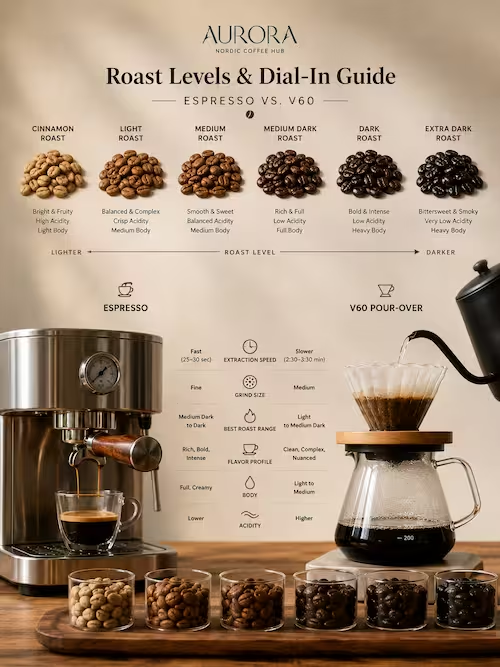
Roasting alters the physical density and chemical structure of the bean. To truly master coffee brewing, you must understand how different roast levels interact with water. Learn more in our comprehensive Coffee Roast Levels Guide.
تغير عملية الحمص الكثافة الفيزيائية والتركيب الكيميائي لحبة البن. لكي تتمكن من إتقان تحضير القهوة، يجب أن تفهم كيف تتفاعل مستويات الحمص المختلفة مع الماء:
- Light Roasts: These preserve the terroir of the origin. They feature higher acidity and bright, fruity, floral, or tea-like notes.
- التحميصة الخفيفة: تحافظ هذه الحمصات على خصائص التربة والأصل؛ وتتميز بحموضة أعلى وإيحاءات مشرقة، فاكهية، زهرية، أو تشبه الشاي.
- Dark Roasts: The roasting process caramelizes sugars and breaks down organic acids, developing bold, rich, chocolatey, or smoky profiles with lower acidity and a heavier body.
- التحميصة الداكنة: تعمل عملية الحمص على كربلة السكريات وتفكيك الأحماض العضوية، مما يطور نكهات بارزة، غنية، بطابع الشوكولاتة أو النكهات المدخنة مع حموضة أقل وقوام أثقل.
7. Freshness: The Oxygen Clock | الطازجية: ساعة الأكسجين
Coffee is a fresh agricultural product. The moment it leaves the cooling tray of a roaster, oxygen begins interacting with its volatile compounds, making timing a critical element to master coffee brewing.
Roasted coffee undergoes continuous chemical and physical alterations over time, which systematically degrade flavor vibrancy and beverage quality. The expiration timeline of a roast is governed by both internal transitions and external environmental catalysts.
القهوة منتج زراعي طازج. في اللحظة التي تغادر فيها صينية التبريد في المحمصة، يبدأ الأكسجين بالتفاعل مع مركباتها المتطايرة، مما يجعل التوقيت عنصراً حاسماً في إتقان تحضير القهوة.
القهوة المحمصة تتغير كيميائياً وفيزيائياً مع مرور الوقت، مما يؤدي تدريجياً إلى تراجع النكهة وجودة التجربة. تتأثر مدة صلاحية وجودة القهوة بعدة عوامل رئيسية تلعب دوراً مباشراً في الحفاظ عليها:
- Internal Factors: Flavor deterioration begins with the loss of volatile aromatic compounds, the degradation of organic oils and sugars, and the ongoing oxidation chain reactions triggered immediately post-roast.
- العوامل الداخلية للتغيير: تشمل فقدان المركبات العطرية المتطايرة، وانخفاض بعض الزيوت والسكريات، واستمرار تفاعل الأكسدة بعد التحميص.
- The State of the Coffee: The physical surface area changes this timeline drastically. Ground coffee oxidizes and loses its aromatic integrity exponentially faster than whole-bean coffee.
- حالة القهوة: تؤثر الحالة الفيزيائية للبن بشكل مباشر على السرعة؛ فالقهوة المطحونة تفقد نكهتها أسرع بكثير من الحبوب الكاملة.
- External Catalysts: Four primary environmental factors accelerate coffee degradation: oxygen (the most critical threat to flavor stability), heat (which speeds up chemical breakdown), moisture, and direct light.
- العوامل الخارجية المؤثرة: هناك أربعة عوامل رئيسية تعجل بتلف القهوة وهي الأكسجين (العامل الأهم في تغير النكهة)، والحرارة (التي تسرع التفاعلات الكيميائية)، والرطوبة، والضوء.
- Packaging Preservation: High-barrier packaging combined with an airtight seal acts as the primary defense mechanism against heat, moisture, and oxygen, significantly extending the quality window of the bean.
- التغليف والتخزين: يلعب التغليف دوراً أساسياً في الحماية؛ حيث يساعد تقليل الأكسجين، والإغلاق المحكم، وتقليل التعرض للحرارة والرطوبة في إطالة فترة جودة القهوة.
8. Processing Methods: Washed vs. Natural vs. Honey | طرق معالجة القهوة وأثرها على الاستخلاص
In addition to grind size and water temperature, green coffee processing dictates bean density and solubility. How fruit pulp is removed from the seed shapes natural sugar concentration and extraction speed. At Aurora Coffee Hub, understanding processing methods helps us tailor brew variables for optimal taste clarity.
بالإضافة إلى درجة الطحن وحرارة الماء، تؤثر طرق معالجة القهوة الخضراء على كثافة الحبوب وقابليتها للذوبان. طريقة إزالة قشرة الكرزة عن الحبة تشكل تركيز السكريات الطبيعية وسرعة الاستخلاص. في أورورا كوفي هب، يساعدنا فهم أساليب المعالجة على ضبط معايير التحضير للحصول على أعلى درجات النقاء:
- Washed Process (Wet): Washed coffees highlight crisp origin characteristics, bright acidity, and clean floral notes. Because fruit mucilage is washed off prior to drying, these beans are dense and uniform. Consequently, washed coffees withstand higher water temperatures (92°C–96°C) without extracting harsh bitterness. Experience this crisp clarity with our washed Kenya Light Roast Specialty Coffee Beans.
- المعالجة المغسولة: تبرز القهوة المغسولة الحموضة المنعشة والنكهات الزهرية النقية. لأن قشرة الفاكهة تُزال بالكامل قبل التجفيف، تكون الحبوب كثيفة ومتجانسة. بالتالي، تتحمل القهوة المغسولة درجات حرارة أعلى (92 إلى 96 مئوية) دون استخلاص مرارة غير مرغوبة. استكشف النقاء العالي مع حبوب قهوة كينيا الفاتحة المغسولة.
- Natural & Sun-Dried Process (Dry): Natural coffees dry inside the full cherry casing. As a result, natural fruit sugars absorb deep into the bean, creating heavy body, intense sweetness, and berry notes. However, this high sugar content makes natural beans extract much faster. Therefore, lower your water temperature slightly (88°C–91°C) or grind slightly coarser to prevent over-extraction. Taste this rich sweetness in our natural Ethiopia Yirgacheffe, or enjoy elevated fruit complexity with our sun-dried on raised beds Ethiopia Guji Specialty Beans.
- المعالجة المجففة والشمسية (الطبيعية): تُجفف القهوة الطبيعية داخل ثمرة الكرز الكاملة. ونتيجة لذلك، تمتص الحبوب السكريات الطبيعية لتمتلك قواماً ثقيلاً ونكهات فاكهية غنية. ومع ذلك، تؤدي هذه السكريات العالية إلى تسريع عملية الاستخلاص؛ لذا يُفضل خفض حرارة الماء قليلاً (88 إلى 91 مئوية) أو جعل الطحنة خشنة بدرجة بسيطة. تذوق هذه الحلاوة العالية مع إثيوبيا ييرغاتشيف المجففة، أو استمتع بالإيحاءات الفاكهية المميزة مع إثيوبيا غوجي المجففة على أسرّة مرتفعة.
- Stone-Patio Dried & Honey Fermentations: Drying cherries on traditional stone patios or retaining partial sticky mucilage (honey process) creates a balanced bridge between washed acidity and natural sweetness. Stone-patio drying allows slow, uniform moisture evaporation, resulting in deep chocolatey undertones and smooth mouthfeel. Experience this refined processing style with our stone-patio dried Café De Dos Tierras Specialty Beans.
- التجفيف على الفناء الحجري والمعالجة العسلية: تجفيف الكرز على أفنية حجرية تقليدية أو الاحتفاظ ببعض السكريات يدمج بين نقاء المعالجة المغسولة وحلاوة المعالجة المجففة. يتيح التجفيف الحجري تبخراً بطيئاً ومتناسقاً للرطوبة، مما يمنحك إيحاءات شوكولاتة غنية وقواماً متزناً. جرب هذا الأسلوب الفاخر مع حبوب قهوة كافيه دي دوس تييراس المجففة على الفناء الحجري.
9. How to Systematically Master Coffee Brewing | كيف تضبط كوبك لتتقن تحضير القهوة منهجيّاً
Mastering these parameters takes practice, but following a structured framework turns daily frustration into an enjoyable ritual:
يتطلب إتقان هذه المعايير ممارسة مستمرة، لكن اتباع إطار عمل منظم يحول الإحباط اليومي إلى طقس ممتع:
- Experiment Systematically: Never change more than one variable at a time. If you adjust your grind size, keep your water temperature and ratio identical.
- التجربة المنهجية: لا تغير أبداً أكثر من متغير واحد في المرة الواحدة. إذا قمت بتعديل درجة الطحن، حافظ على ثبات حرارة ونسبة المياه تماماً.
- Keep Precise Notes: Track what works for your unique palate. Log your recipe metrics in a journal to preserve your winning configurations.
- تدوين ملاحظات دقيقة: تتبع ما يناسب ذوقك الفريد. سجل معايير وصفتك في دفتر مخصص للحفاظ على إعداداتك الناجحة.
- Embrace the Palette: There is no single objective “perfect recipe”—there is only the unique combination of extraction variables that tastes perfect to you. Explore our specialty coffee menu for flavor profile inspirations, enjoy the process, and elevate your craft every single day.
- تبني الذوق: لا توجد “وصفة مثالية” مطلقة، بل هناك المزيج الفريد من متغيرات الاستخلاص الذي يمنحك الطعم المثالي لذوقك الخاص. اطلع على خيارات قائمة القهوة المختصة لدينا لاستلهام إيحاءات النكهات، واستمتع بالرحلة، وطوّر حرفتك في التحضير كل يوم.