
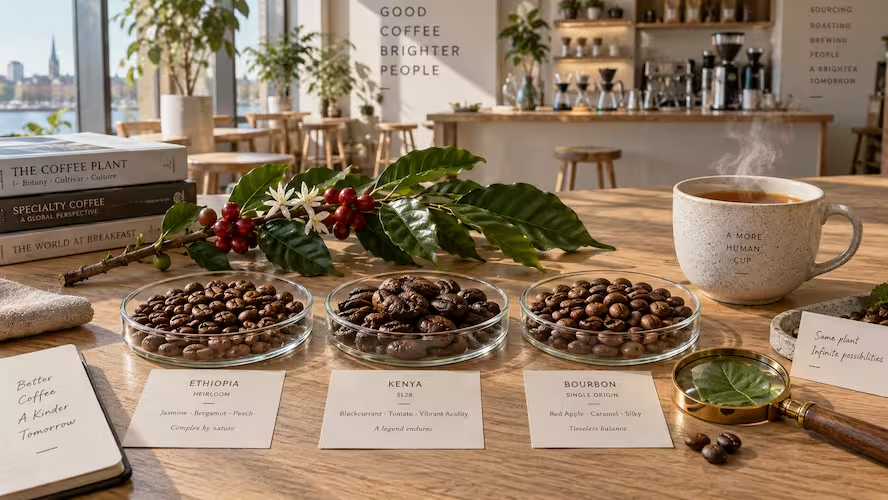
سلالات القهوة المختصة: الدليل الشامل لفهم الجينات النباتية ونكهات المنشأ
Having Arabica coffee cultivars explained is the ultimate key to understanding why two single-origin coffees taste entirely distinct. In fact, many coffee lovers assume that geography alone dictates taste. However, while soil chemistry and elevation shape bean development, genetics provide the biological blueprint for volatile aromatic oils, natural fruit sugars, and sensory body. At Aurora Coffee Hub, we treat bean genetics with intentional care inside our urban sanctuary in Amman, meticulously sourcing and curating exceptional coffees from trusted partners to showcase the true natural identity of every harvest.
يُعد التعرف على سلالات القهوة المختصة وتنوعها النباتي الخطوة الأهم لفهم أسباب تباين النكهات بين محصول وآخر. في الواقع، يعتقد الكثيرون أن بلد المنشأ وحده هو الذي يحدد طعم الفنجان؛ غير أن العوامل الجغرافية والتربة تشكل جزءاً فقط من المعادلة، بينما تمثل الجينات النباتية الهيكل الحيوي المسؤول عن تكوين الزيوت العطرية والسكريات الطبيعية داخل حبة البن. في أورورا كوفي هب، نحرص على انتقاء المحاصيل بعناية فائقة من أفضل المصادر الموثوقة ضمن ملاذنا النوردي في عمان، لنبرز النقاء الأصيل لكل سلالة عبر اختيار محاصيل متوازنة تبرز نكهات المنشأ الطبيعية.
1. Species vs. Cultivar: The Botanical Family Tree | النوع مقابل السلالة: شجرة العائلة وطبيعة الحبة
To grasp coffee botany, consider how distinct varieties exist within any botanical family. In our regional culture, consider date palms: while all dates originate from the date palm, Ajwa, Sukkari, and Khalas each possess distinct textures, sweetness levels, and intrinsic characteristics. Similarly, while Coffea Arabica is the overarching species, the cultivar represents the intrinsic genetic nature of the seed itself. Historical research documented by the Specialty Coffee Association (SCA) confirms that wild Arabica originated in the southwestern forests of Ethiopia. Over centuries, these wild seeds migrated across continents, naturally adapting to different microclimates and producing distinct genetic lineages. Therefore, exploring Arabica coffee cultivars explained through botanical lineage unlocks the secrets behind natural sweetness, phosphoric acidity, and complex floral aromas in your brew.
لفهم تصنيف نبات القهوة، يمكن تشبيه “السلالة” بتمورنا العربية؛ فنخيل التمر واحد، لكن تمر العجوة يختلف جذرياً في قوامه وحلاوته عن السكري أو الخلاص، وكل صنف له طبع أصيل لا يتغير. كذلك القهوة تماماً؛ فبينما تمثل الأرابيكا شجرة العائلة والنوع النباتي العام، تمثل “السلالة” الهوية الوراثية وطبع الحبة الداخلي. وتؤكد أبحاث جمعية القهوة المختصة (SCA) أن غابات إثيوبيا المطيرة هي المهد الأول لشجرة الأرابيكا البرية، حيث ارتحلت بذورها عبر القرون وتأقلمت مع بيئات جغرافية مختلفة لتشكل سلالات متباينة في الكثافة والنكهة. وبالتالي، يفتح فهم السلالات آفاقاً جديدة لاكتشاف أسرار الحموضة الفاكهية والحلاوة الطبيعية في فنجانك.
2. Arabica Coffee Cultivars Explained: The Core Lineages | جدول مقارنة السلالات العالمية وخصائصها الحسية
Different genetic lineages create predictable sensory patterns and cell densities. When comparing Arabica coffee cultivars explained side-by-side, the physical density of the green seed determines how it absorbs thermal energy during roasting and releases soluble solids during extraction:
| Cultivar Family | Historical Origin | Distinctive Flavor Signatures | Bean Density & Cell Structure |
|---|---|---|---|
| Ethiopian Heirloom / Landraces | Indigenous wild forests of Ethiopia (umbrella term for thousands of local wild strains like Kurume and Dega) | Jasmine florals, bergamot, tea-like clarity, bright lemon citrus, stone fruit | High elevation, dense cellular structure, delicate thermal tolerance |
| SL28 (Scott Laboratories) | Selected in Kenya in 1935 from drought-resistant lines (originated in Tanzania) | Intense blackcurrant, juicy blackberry, sharp phosphoric vibrancy, tropical fruit | Extremely dense seed structure; demands precise, stable brew temperatures |
| Castillo (Colombia) | Bred in Colombia from Caturra and Timor Hybrid to resist coffee leaf rust | Smooth milk chocolate, red berries, balanced caramel, soft citric acidity | Moderate to high density; round sweetness and versatile extraction profile |
| Yellow Bourbon (Brazil) | Natural Brazilian mutation discovered in 1930; matures with bright yellow cherries rather than red | Honeyed sweetness, delicate hazelnuts, soft florals, sweet milk chocolate | Medium density; exceptionally silky, round mouthfeel and low perceived bitterness |
| Yellow Catuai (Brazil) | Cross between Mundo Novo and Caturra released in 1972; compact dwarf tree yielding yellow cherries | Intense concentrated sweetness, brown sugar, candied nuts, refined body | Medium density; responsive to processing, often reaching cup scores above 85 |
يوضح الجدول التالي الفروق الجينية والهيكلية بين أشهر سلالات الأرابيكا المتداولة في عالم القهوة المختصة، وكيف تنعكس كثافة الحبة على امتصاص الحرارة وإطلاق النكهات الذائبة:
| عائلة السلالة | المنشأ التاريخي | الملف الحسي والنكهات البارزة | كثافة الحبة والبنية الخلوية |
|---|---|---|---|
| السلالات الإثيوبية المتوارثة (Heirloom) | مظلة لآلاف السلالات البرية المحلية في موطن البن الأصلي بإثيوبيا | زهور الياسمين، شاي البرغموت، حمضيات صافية، توتيات، وفاكهة حمراء بقوام ناعم كالشاي. | تنمو على ارتفاعات شاهقة تفوق 2,000 متر، بنية شديدة الكثافة واستجابة حرارية دقيقة. |
| سلالة كينيا (SL28) | جاءت بذرتها من تنزانيا لتحمل الجفاف، واختارتها مختبرات سكوت بكينيا عام 1935 | كشمش أسود فواح، توت بري، فواكه استوائية (باشن فروت)، وحموضة فوسفورية ناصعة. | حبوب شديدة الصلابة وتصنف عالمياً بأعلى درجات جودة الكوب (WCR). |
| كاستيلو (Castillo) | سلالة كولومبية مهجنة من الكاتورا وهجين تيمور لمقاومة صدأ الأوراق، تمثل 40% من محاصيل كولومبيا | توازن ممتاز بين حلاوة الكاكاو، الكراميل، الحمضيات الناعمة، والفواكه الحمراء. | كثافة متوازنة؛ تظهر مرونة استثنائية وتأثراً كبيراً بنوع المعالجة (مغسول أو مجفف). |
| بوربون أصفر (Yellow Bourbon) | طفرة برازيلية اكتشفت عام 1930 تتميز بنضوج كرز أصفر فاقع بدلاً من الأحمر المعتاد | حلاوة عسلية، كراميل مكرمل، مكسرات وبندق، مع حموضة ناعمة وقوام مخملي. | كثافة متوسطة وإنتاجية أقل من البوربون التقليدي، وتزرع غالباً فوق 1,000 متر. |
| يلو كاتواي (Yellow Catuai) | مهجنة في البرازيل من موندو نوفو وكاتورا عام 1972، شجرتها قزمة لزراعة كثيفة | حلاوة سكرية مركزة تشبه حلوى الكاندي، مكسرات محمصة، وقوام غني ومتماسك. | كثافة جيدة، وتعطي عند العناية الفائقة تقييمات تفوق 84 نقطة وتفوز بكأس التميز. |
3. The Agronomic Trade-Off: Quality vs. Yield vs. Resilience | المقايضة الزراعية: معادلة الجودة، الإنتاجية، ومقاومة المرض
Behind every exceptional cup lies a fundamental agricultural trade-off faced by coffee farmers. Cultivars that produce extraordinary sensory profiles (such as Ethiopian Heirloom and SL28) typically have lower yields and fragile defenses against coffee leaf rust. In contrast, modern hybrids like Castillo deliver strong disease resistance and higher volume, but require meticulous post-harvest processing to match heritage flavor complexity. Therefore, when purchasing delicate specialty varieties, higher price tags reflect both sensory rarity and the farmer’s operational risk in cultivating delicate, low-yield botany.
وراء كل فنجان استثنائي تقف معادلة زراعية دقيقة تسمى “المقايضة” (The Trade-Off)؛ فالسلالات التي تمنحنا نكهات زهرية وفاكهية خارقة مثل الهيرلوم وSL28 تكون إنتاجيتها منخفضة وضعيفة أمام الأمراض الفطرية مثل صدأ الأوراق. في المقابل، توفر سلالات مثل الكاستيلو ويلو كاتواي إنتاجية وفيرة ومقاومة قوية، لكنها تحتاج لمعالجة احترافية فائقة لتصل لتعقيد السلالات البرية. بناءً عليه، فإن ارتفاع سعر بعض محاصيل القهوة المختصة لا يعكس فقط جمال النكهة، بل يعوض المزارع عن قلة الإنتاج والمخاطرة العالية في حماية هذه الأشجار الحساسة.
4. How to Read the “Variety” Line on a Coffee Bag | كيف تقرأ سطر “السلالة” على كيس القهوة قبل فتحه؟
Next time you purchase whole-bean coffee, do not overlook the Variety / Cultivar line on the bag label. Reading this single detail allows you to predict cup body, acidity style, and extraction behavior before unsealing the valve:
- If labeled “Heirloom” (Ethiopia): Expect floral jasmine, bergamot tea notes, and stone fruits. Treat it with high brewing temperatures and delicate pour-over technique.
- If labeled “SL28 / SL34” (Kenya): Expect juicy blackcurrant, grape, and punchy phosphoric acidity. Calibrate your grinder to highlight crisp, structured brightness.
- If labeled “Bourbon / Catuai / Castillo” (Americas): Expect comforting chocolate, caramel, nuts, and balanced sweetness. These seeds excel as velvety espresso and balanced manual brews.
في المرة القادمة التي تشتري فيها كيساً من القهوة المختصة، لا تتجاوز سطر السلالة (Variety) المطبوع على الملصق؛ فقراءته تمنحك تصورا دقيقاً لطبع فنجانك وكيفية استخلاصه قبل فتحه:
- إذا كانت السلالة هيرلوم (Heirloom): توقع فنجاناً بنكهات الياسمين، شاي البرغموت، وفاكهة الخوخ؛ واحرص على استخدام حرارة ماء عالية واستخلاص لطيف.
- إذا كانت السلالة SL28 / SL34: توقع حموضة ناصعة كالتوت البري والكشمش الأسود وقواماً عصيرياً واضح المعالم.
- إذا كانت السلالة بوربون أو كاتواي أو كاستيلو: استعد لحلاوة سكر الكراميل والشوكولاتة والمكسرات المحمصة؛ وهي سلالات ممتازة لتحضير إسبريسو متزن أو ترشيح حريري دافئ.
5. Decoding Aurora’s Curated Beans: What Are You Drinking? | فك شفرة محاصيل أورورا: ما السلالة الموجودة في فنجانك؟
When you browse the specialty coffee selections at Aurora Coffee Hub, you will notice origins highlighted by region and producer. In fact, each origin we choose corresponds directly to prestigious botanical genetics. For example, our carefully sourced Ethiopia Yirgacheffe and complex Ethiopia Guji represent wild Ethiopian Landraces cultivated above 2,000 meters. Meanwhile, our crisp Kenya Light Roast showcases the legendary SL28 and SL34 heritage. Furthermore, our balanced Café de Dos Tierras celebrates Bourbon-derived varietals, delivering comforting chocolate and toasted pecan notes.
عند استعراض خيارات البن المختص في أورورا كوفي هب، ستجد أننا نبرز المحاصيل بحسب مناطق زراعتها ومصادرها الموثوقة. وفي الحقيقة، يمثل كل محصول ننتقيه سلالة جينية عريقة. على سبيل المثال، يمثل محصول إثيوبيا ييرغاتشيف ومحصول إثيوبيا غوجي اللذان نوفرهما سلالات برية متوارثة (Landraces) تنمو في أعالي جبال إثيوبيا. من ناحية أخرى، ينحدر بن كينيا الخفيف من سلالات SL28 و SL34 الشهيرة بطابع التوت الأسود. علاوة على ذلك، يرتكز محصول كافيه دي دوس تييراس على عائلة البوربون ليمنحك حلاوة الشوكولاتة والتوازن الكلاسيكي المريح.
6. How Cultivar Genetics Influence Your Brewing Setup | كيف تؤثر السلالة النباتية على طريقة تحضيرك للقهوة؟
Understanding bean genetics fundamentally alters how you brew at home. Because high-altitude Ethiopian and Kenyan cultivars develop high cellular density, they dissolve more slowly during extraction. Therefore, brewing an Ethiopian Heirloom on a manual V60 pour-over demands hotter water (93°C to 95°C) to dissolve delicate florals. Conversely, lower-density Bourbon mutations release solubles quickly, meaning slightly cooler water prevents bitter over-extraction. In addition, pairing these beans with the right brewing tool—such as comparing percolation and immersion in our AeroPress vs V60 Guide—ensures you extract maximum flavor clarity.
إن فهم الجينات النباتية لحبة البن ينعكس بشكل مباشر على طريقتك في إعداد القهوة بالمنزل؛ فالأشجار التي تنمو في مرتفعات إفريقيا الشاهقة تنتج حبوباً صلبة ذات كثافة خلوية مرتفعة تذوب ببطء أثناء التحضير. بناءً عليه، يتطلب تحضير المحاصيل الإثيوبية عبر قمع الترشيح V60 ماءً بدرجة حرارة أعلى (93 إلى 95 مئوية) لتحرير نكهات الأزهار الرقيقة. وعلى العكس من ذلك، تذوب حبوب سلالة البوربون بسرعة أكبر؛ مما يستدعي خفض حرارة الماء قليلاً لتفادي المرارة. علاوة على ذلك، فإن المواءمة بين السلالة وأداة التحضير—كما نوضح في دليل المقارنة بين الأيروبرس و V60—تضمن لك الحصول على أقصى درجات النقاء الحسي.
7. Frequently Asked Questions: Arabica Coffee Cultivars Explained | أسئلة شائعة حول سلالات القهوة المختصة
What is the difference between a coffee varietal and a cultivar?
A coffee varietal occurs naturally in the wild through natural mutation and adaptation. A coffee cultivar (short for cultivated variety) has been deliberately selected, cultivated, or propagated by human agriculturalists to optimize flavor, drought tolerance, or yield.
Why are Ethiopian Heirloom cultivars so popular in specialty coffee?
Ethiopian heirloom varieties represent untouched genetic diversity from coffee’s birthplace. Their exceptional density and natural chemistry deliver jasmine florals, bergamot, and peach notes rarely found in commercial crops.
ما الفرق بين الصنف الطبيعي (Varietal) والسلالة المستزرعة (Cultivar)؟
ينشأ الصنف الطبيعي عبر طفرات بيئية وتأقلم طبيعي في الغابات، بينما تمثل السلالة المستزرعة أصنافاً قام المزارعون والعلماء بانتقائها وتطويرها لتحسين الإنتاجية ومقاومة الجفاف أو تعزيز النكهات الحلاوية.
8. Taste Botanical Excellence at Aurora Coffee Hub | استكشف تميز السلالات النباتية في أورورا كوفي هب
Having Arabica coffee cultivars explained bridges the gap between casual coffee drinking and genuine sensory appreciation. Rather than viewing coffee as a generic commodity, you can now taste the remarkable biological diversity inside every bean. Visit Aurora Coffee Hub in Amman to explore our seasonal single origins, taste manual extractions on our specialty manual drinks menu, explore our curated selection of whole beans in our online bean shop, or bring home precision tools from our brewing merchandise store to master coffee genetics in your daily cup!
إن التعرف على سلالات القهوة المختصة وتنوعها النباتي ينقلك من مرحلة الاستمتاع العابر إلى التذوق الحسي الواعي؛ حيث تصبح قادراً على تمييز البصمة الوراثية الفريدة لكل فنجان. ندعوكم لزيارتنا في أورورا كوفي هب في عمّان لتجربة محاصيلنا المنتقاة بعناية وتذوق التقطير اليدوي عبر قائمة مشروبات الـ V60، أو استعراض مجموعتنا المختارة من حبوب البن عبر متجر حبوب البن المختص، أو اقتناء أدوات التحضير من متجر أدوات القهوة المختصة؛ لتبدأ رحلتك الخاصة في استكشاف كيمياء وسحر السلالات العالمية!